Professional Water Softener Installation: Change Your Water Quality Today
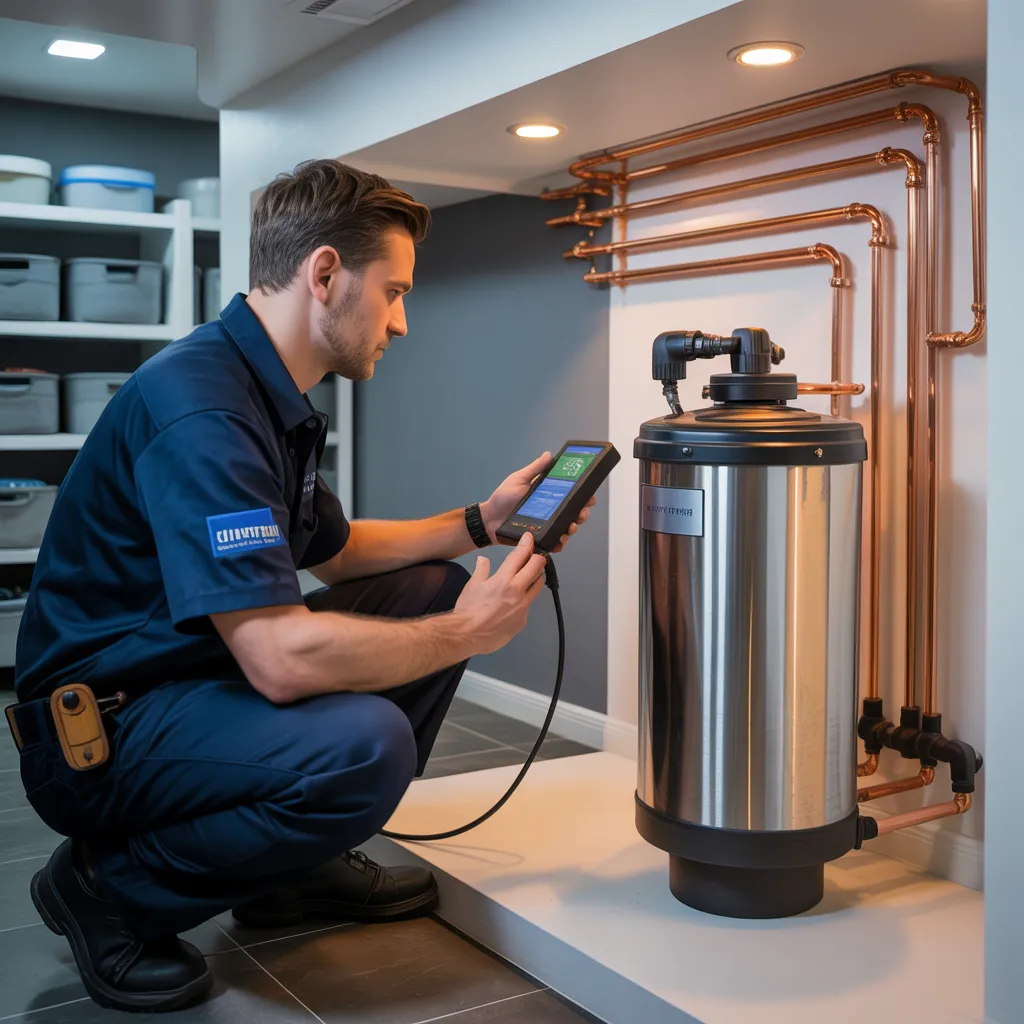
Professional water softener installation plays a critical role in boosting water purity in homes. Hard water can generate various problems, affecting everything from plumbing to personal care. Professionals guarantee that the setup process is smooth and compliant with local regulations. They also help prevent common mistakes that can arise during setup. Understanding the advantages of this service can lead to significant improvements in daily life, prompting further exploration into its advantages and processes.
What Is Hard Water and How Does It Affect You?
Hard water, marked by elevated mineral content—mainly calcium and magnesium—can considerably impact daily life. Many households without knowing undergo its impact, which may present themselves in various ways. These minerals' presence can cause limescale buildup within pipes and appliances, lowering their functionality and life expectancy. Additionally, hard water can pose challenges in cleaning; soap may not lather well, leaving deposits on dishes and laundry.
Moreover, hard water can change the flavor of drinking water, making it less appealing. In some instances, it may contribute into higher energy bills due to increased wear on heating appliances and other home systems. Understanding hard water's implications helps property dwellers to assess alternatives that could enhance their overall water condition and overall convenience in daily activities.
The Benefits of Water Treatment for Your Home
Water softening delivers substantial benefits for households by increasing the durability of equipment and enhancing cleaning efficiency. Softened water decreases mineral buildup, which can result in costly repairs and replacements. Additionally, it enables cleaning products to perform better, resulting in spotless surfaces and fabrics.
Improved Appliance Lifespan
Installing a softening device can greatly improve the lifespan of home equipment. Hard water contains minerals like calcium and magnesium, which contribute to scale buildup in appliances such as dishwashers, water heaters, and washing machines. Over time, this scale can cause operational issues and eventually lead to breakdowns. By softening the water, homeowners can noticeably reduce the wear and tear on these essential devices. Softened water enables appliances to work more efficiently, using less energy and lowering maintenance expenses. Consequently, investing in a water softener not only extends the life of appliances but also boosts their performance. Homeowners can anticipate fewer repairs and replacements, making water softening a practical choice for preserving household efficiency.
Advanced Housekeeping Effectiveness
A water softener greatly boosts cleaning effectiveness across your household. Mineral-rich water holds calcium and magnesium minerals that can reduce soap's effectiveness, leading to dull laundry, streaky dishes, and soap scum buildup. By lowering mineral levels, water conditioning systems enhance lathering ability and soap effectiveness, making cleaning easier and more efficient.
Using softened water, laundry looks cleaner and turns out softer, while dishes come out completely clean without any residue. Moreover, surfaces in kitchens and bathrooms require less effort to clean, as mineral deposits are minimized. This not only saves time but also cuts down on harsh cleaning products. Overall, a water softener significantly boosts the quality of cleaning, leading to a more efficient and satisfying home maintenance experience.
Why You Ought to Depend on Professionals for Installation
While some dwellers may consider a DIY technique to water softener installation, trusting professionals guarantees a higher level of competence and efficiency. Professionals possess the in-depth knowledge and experience vital to analyze specific home plumbing systems, ensuring that the water softener is properly integrated. They are knowledgeable with various models and can recommend the optimal solution for individual needs, sidestepping routine obstacles that may surface during installation.
In summary, experienced professionals grasp local codes and regulations, preserving adherence and curtailing the risk of forthcoming problems. Their experience allows them to work through potential problems promptly, delivering confidence that the system will work optimally. Moreover, certified specialists often extend warranties on their services, offering added security for homeowners. Ultimately, going with professional installation not only optimizes the system's performance but also saves resources, making it a wise choice in advancing water quality.
A Guide to Finding the Suitable Water Softener
Selecting an appropriate water softener demands a careful evaluation of water hardness levels, which can greatly impact the effectiveness of the system. Furthermore, comprehending the different kinds of softeners available and their features is crucial for making an well-researched choice. Budget considerations also play an important role in selecting a system that meets both needs and budgetary limitations.
Water Hardness Measurement
Determining water hardness is a critical step in choosing the suitable water softener. Water hardness is primarily measured in grains per gallon (GPG) or parts per million (PPM) and indicates the level of calcium and magnesium minerals. Homeowners can evaluate their water hardness using test kits available at hardware stores or by submitting samples to a lab for testing. Understanding the hardness level helps in identifying the right softener size and type needed for successful treatment. Generally, water is categorized as soft (0-3 GPG), moderately hard (4-7 GPG), hard (8-12 GPG), or very hard (over 12 GPG). Accurate evaluation guarantees proper softening, enhancing water quality and extending the lifespan of plumbing and appliances.
Softener Varieties Overview
Choosing the right water softener requires an understanding of the different types offered in the industry. The most frequently used types include ion exchange, salt-free, and reverse osmosis systems. Ion exchange softeners substitute hard minerals with sodium ions, effectively reducing hardness. Salt-free systems, on the other hand, treat water without traditional salt, making them suitable for those looking for a more environmentally conscious option. Reverse osmosis units filter out impurities, including hardness minerals, but are often used in conjunction with other systems for thorough water treatment. Each type has its advantages and limitations, making it crucial for consumers to assess their particular water quality needs and preferences before making a decision. Understanding these options related information will facilitate informed choices for ideal water quality.
Budget Elements Outlined
Budgetary awareness plays a vital role in the determination process for water softener fitting. Homeowners must examine both initial costs and long-term expenses. Standard models may showcase lower upfront prices, but they can lead to higher maintenance and salt expenses over time. By contrast, high-end systems commonly include modern technology and better performance, possibly decreasing ongoing costs. In addition, labor charges can vary substantially; numerous homeowners may decide on DIY installation to cut expenses, while others choose professional help for perfect setup. Comprehending the total cost of ownership, involving repairs and warranties, is vital. Fundamentally, aligning the preference of water softener with both current financial boundaries and long-range monetary goals guarantees a more satisfying undertaking.
Sequential Step-by-Step Instructions for Water Softener Configuration
Setting up a water softener can greatly enhance the quality of water in a home. The installation process starts with choosing a appropriate location, typically near the main water supply line. Next, the homeowner should turn off the water supply and remove any remaining water from the pipes. After preparing the area, the water softener is positioned, ensuring it is level.
The following stage involves joining the inlet and outlet pipes to the softener. This might demand altering the existing pipe network and providing it with suitable connectors. Once the joints are secure, the salt storage is topped up with mineral pellets, and the system is switched on. In conclusion, the main line is reactivated, allowing the property dweller to examine for seepage and validate smooth operation. Completing these instructions will achieve efficient water softener setup, opening the opportunity for superior water quality throughout every room of the residence.
Maintaining a water softener preserves its performance and extended life, ultimately boosting home water quality. Periodic care includes multiple vital tasks, commencing with checking salt concentrations within the brine tank. It is imperative to replenish salt consistently to establish ideal regeneration cycles. In addition, cleaning the resin bed every year facilitates expulsion of contaminants that can accumulate as time passes, preserving the system's effectiveness.
Inspect the system for leaks and confirm that water flows properly, which is also crucial. A careful examination of the bypass valve, inlet, and outlet connections can help avoid potential problems. Also, testing water hardness periodically ensures the softener is working correctly.
For those utilizing a dual-tank configuration, rotating tanks during regeneration can increase effectiveness. By following these care routines, homeowners can extend the lifespan of their softeners, ensuring reliable functionality and improved water conditions for many years.
Frequently Sought Answers Questions
How long Does a Water Softener Installation Typically Take?
Water softener setup usually requires between two to four hours, contingent on the intricacy of the system and plumbing work needed. Factors including location and current setup can impact the total timeframe.
What Clues Show a Faulty Water Softener?
Evidence of a defective water softener consists of salty taste in water, reduced lathering of soap, scale buildup on fixtures, constant regeneration cycles, and an increase in water hardness. These indicators suggest hidden problems needing attention.
Can a person able of installing a Water Softener by myself?
Yes, a water softener can be installed by oneself, if the individual possesses fundamental plumbing expertise and grasps the manufacturer's instructions. However, professional installation may assure peak performance and adherence to local codes.
What Are the Maintenance Costs of a Water Softener?
Annual maintenance costs for a water softener usually range from $50 to $150. This covers salt replenishment, occasional maintenance, and professional servicing, providing peak operation and longevity of the system for effective water treatment.
Can Water Treatment Systems Alter Water Taste?
Water softeners typically do not markedly impact the taste of water. However, some people may observe a difference due to the elimination of minerals like calcium and magnesium, creating a softer, less mineral-rich flavor profile.